

Most of us will have back pain at some point. It might have come on suddenly while you were lifting something, or crept up over weeks at a desk. Your back might feel tight and sore, ache in the small of your back, or have seized up completely so that turning over in bed is a challenge.
The good news is that most back pain settles. This page explains what usually causes it, what you can safely do yourself, the warning signs that mean you should be seen quickly, and when it is worth booking in with a physiotherapist rather than waiting it out.
Back pain is something most of us will deal with at some point, and the good news is that it usually isn’t anything serious. For the vast majority of people it settles on its own with time and gentle movement. This article explains the common causes of back pain, what you can do to help yourself, the warning signs to look out for, and how physiotherapy can support your recovery.
Back pain is very common, with up to 80% of adults experiencing back pain at some point in their lives. Often back pain is temporary and resolves within 6 to 12 weeks. However, sometimes back pain can be linked to more serious underlying conditions such as fracture or infections.
Research suggests that back pain is most common between the ages of 40 and 80, peaking at around 50 to 55.
Back pain rarely has a single tidy cause, which is one reason it can be frustrating. More often it is a combination of how you have been moving, how much you have been sitting, and what your back was asked to do that day.
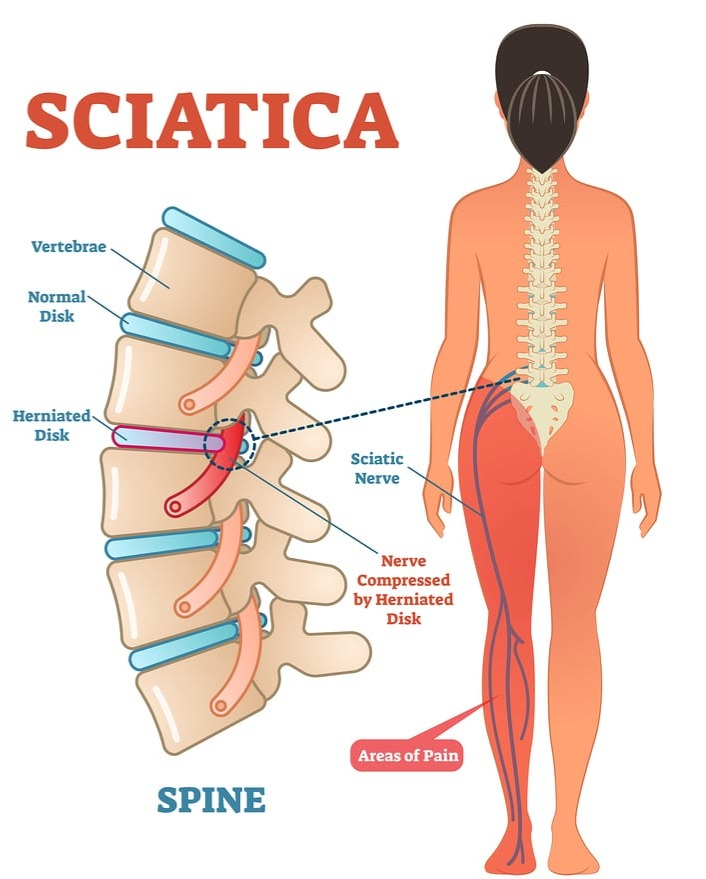
Back pain can have many causes:
In the first few days, the aim is to keep moving as your pain allows.
You can read more about what an assessment involves on our physiotherapy page.
If you have back pain we would be more than happy to assess you further. Please either have a look online or give us a call on 01788 432102 and we will be able to book you in for an initial assessment with one of our experienced physiotherapists.
How long does back pain usually last?
Should I rest or stay active?
Is it safe to exercise with back pain?
When should I see a physio rather than wait it out?
Why does my back keep hurting?
What does it mean if my back has seized up?
Why does my lower back and hip hurt at the same time?
What is the small of the back?







Omnia Physio
1a Clifton Rd, Rugby
Warwickshire CV21 3PY
info@omniaphysio.com
Physiotherapy, Pilates, Sports Massage and Acupuncture in Rugby, Warwickshire